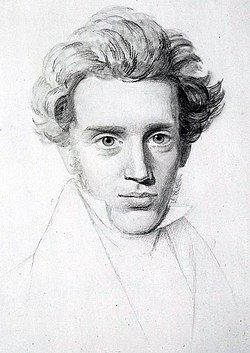
Søren Kierkegaard
Søren Aabye Kierkegaard was a Danish theologian, philosopher, poet, social critic, and religious author who is widely considered to be the first existentialist philosopher. He wrote critical texts on organized religion, Christianity, morality, ethics, psychology, love, and the philosophy of religion, displaying a fondness for metaphor, irony, and parables. Much of his philosophical work deals with the issues of how one lives as a "single individual", highlighting the importance of authenticity, personal choice and commitment, and the duty to love.
Career Journey
Background
- Born in
- Copenhagen
- Educated at
- University of CopenhagenØstre Borgerdyd school
Trending & Selected Quotes
Trending topics shown first"Life is not a problem to be solved, but a reality to be experienced."
"If I were to wish for anything, I should not wish for wealth and power, but for the passionate sense of the potential, for the eye which, ever young and ardent, sees the possible. Pleasure disappoints…"
"A 'no' does not hide anything, but a 'yes' very easily becomes a deception."
"Since my earliest childhood a barb of sorrow has lodged in my heart. As long as it stays I am ironic — if it is pulled out I shall die."
"Where is the boundary for the single individual in his concrete existence between what is lack of will and what is lack of ability; what is indolence and earthly selfishness and what is the limitation…"
"Be attentive therefore, according to the instruction of the Gospel, to learn obedience from the lily and the bird. Be not affrighted, do no despair, when thou comparest thy life with these teachers. T…"
Works & Publications
No works or publications documented yet.
Timeline
1813
Born
Birth1855
Died
Death
Influenced By
Thinkers whose ideas shaped Søren's philosophy


Influenced
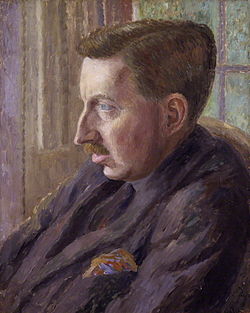
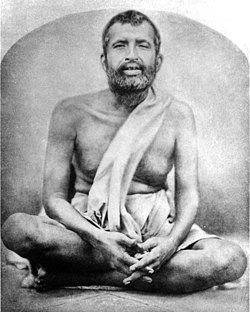
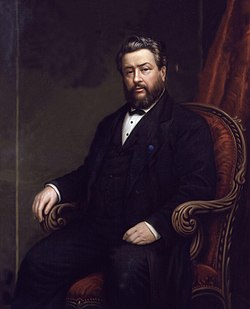
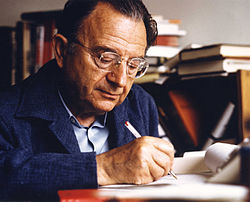
Thinkers whose work was shaped by Søren's ideas










Source Attribution
Information about Søren Kierkegaard is sourced from curated knowledge bases and cross-referenced for accuracy. Influence relationships are scored by thematic overlap and historical plausibility.