
William O. Douglas
William Orville Douglas was an American jurist who served as an associate justice of the Supreme Court of the United States from 1939 to 1975. Douglas was known for his strong progressive and civil libertarian views and is often cited as the most liberal justice in the U.S. Supreme Court’s history.
Career Journey
Background
- Born in
- Maine Township
- Educated at
- Columbia Law SchoolA.C. Davis High SchoolWhitman College
- Awards
- 🏆 George Polk Award🏆 Sierra Club John Muir Award🏆 Audubon Medal🏆 American Library Association Honorary Membership
Trending & Selected Quotes
Trending topics shown first"At the international level we have become virtually paranoid. The world is filled with dangerous people. Every troublemaker across the globe is a communist. Our obsession is in part the product of a f…"
"One aspect of modern life which has gone far to stifle men is the rapid growth of tremendous corporations. Enormous spiritual sacrifices are made in the transformation of shopkeepers into employees...…"
"Religious experiences which are as real as life to some may be incomprehensible to others."
"The struggle is always between the individual and his sacred right to express himself and the power structure that seeks conformity, suppression, and obedience."
"A person may be convicted for making a speech or for pamphleteering if a judge rules ex post facto that the speaker or publisher created a ‘clear and present danger’ that his forbidden or revolutionar…"
"Free speech is not to be regulated like diseased cattle and impure butter. The audience … that hissed yesterday may applaud today, even for the same performance."
Works & Publications
No works or publications documented yet.
Timeline
1898
Born
Birth1980
Died
Death
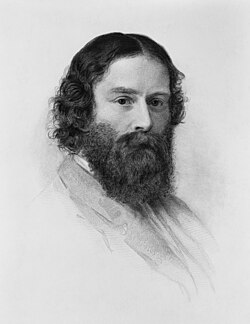
Influenced By
Thinkers whose ideas shaped William's philosophy




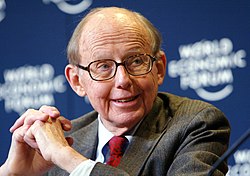
Influenced
Thinkers whose work was shaped by William's ideas




Source Attribution
Information about William O. Douglas is sourced from curated knowledge bases and cross-referenced for accuracy. Influence relationships are scored by thematic overlap and historical plausibility.

