Rollo May
Rollo Reece May was an American existential psychologist and author of the influential book Love and Will (1969). He is often associated with humanistic psychology and existentialist philosophy, and alongside Viktor Frankl, was a major proponent of existential psychotherapy. The philosopher and theologian Paul Tillich was a close friend who had a significant influence on his work.
Career Journey
Background
- Born in
- Ada
- Educated at
- Columbia UniversityMichigan State UniversityOberlin CollegeUnion Theological SeminaryTeachers College
- Awards
- 🏆 Ralph Waldo Emerson Award
Trending & Selected Quotes
Trending topics shown first"Tenderness emerges from the fact that the two persons, longing, as all individuals do, to overcome the separateness and isolation to which we are all heir because we are individuals, can participate i…"
"Life comes from physical survival; but the good life comes from what we care about."
"Memory is not just the imprint of the past time upon us; it is the keeper of what is meaningful for our deepest hopes and fears."
"The authentic rebel knows that the silencing of all his adversaries is the last thing on earth he wishes: their extermination would deprive him and whoever else remains alive from the uniqueness, the …"
"Violence is the daimonic gone awry. It is "demon possession" in its starkest form. Our age is one of transition, in which the normal channels for utilizing the daimonic are denied; and such ages tend …"
"Art is a substitute for violence. The same impulses that drive persons to violence — the hunger for meaning, the need for ecstasy, the impulse to risk all — drive the artist to create. He is by nature…"
Works & Publications
No works or publications documented yet.
Timeline
1909
Born
Birth1994
Died
Death
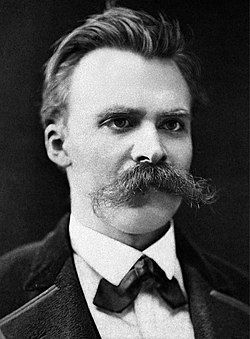
Influenced By
Thinkers whose ideas shaped Rollo's philosophy



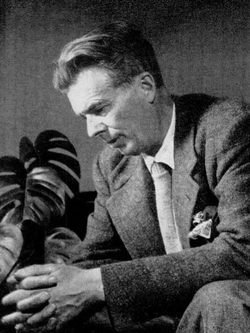




Influenced
Thinkers whose work was shaped by Rollo's ideas




Source Attribution
Information about Rollo May is sourced from curated knowledge bases and cross-referenced for accuracy. Influence relationships are scored by thematic overlap and historical plausibility.