
Benjamin Disraeli
Benjamin Disraeli, 1st Earl of Beaconsfield, was a British statesman, Conservative politician and writer who twice served as Prime Minister of the United Kingdom. He played a central role in the creation of the modern Conservative Party, defining its policies and its broad outreach. Disraeli is remembered for his influential voice in world affairs, his political battles with the Liberal Party leader William Ewart Gladstone, and his one-nation conservatism or "Tory democracy".
Background
- Born in
- London
- Educated at
- St Piran's School
- Awards
- 🏆 Order of the Garter🏆 Fellow of the Royal Society
Trending & Selected Quotes
Trending topics shown first"The present state of affairs makes me tremble. Old England seems to be tumbling to pieces. I believe that if Constantinople were occupied by a foreign Power to-morrow, we should not stir a foot. Could…"
"He told Lord Esher that, in talking with the Queen, he observed a simple rule: "I never deny; I never contradict; I sometimes forget."
"The hon. Gentleman has said, in a most extraordinary manner, that our security for peace at the present day is the desire of nations to keep at home. There is a great difference between nationality an…"
"Had it not been for you, I should have remained what I was when we first met, a prejudiced, narrow-minded being, with contracted sympathies and false knowledge, wasting my life on obsolete trifles, an…"
"What I see in the amendment is not an assertion of great principles, which no man honours more than myself. What is at the bottom of it is rather that principle of peace at any price which a certain p…"
Works & Publications
No works or publications documented yet.
Timeline
1804
Born
Birth1881
Died
Death
Influenced By
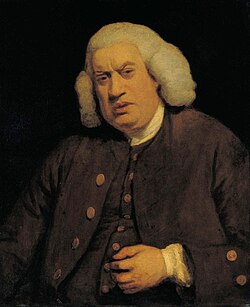
Thinkers whose ideas shaped Benjamin's philosophy


Influenced
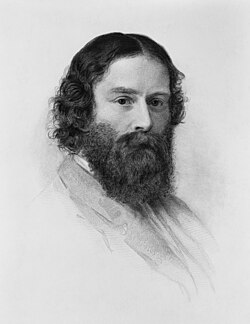
Thinkers whose work was shaped by Benjamin's ideas




Source Attribution
Information about Benjamin Disraeli is sourced from curated knowledge bases and cross-referenced for accuracy. Influence relationships are scored by thematic overlap and historical plausibility.


