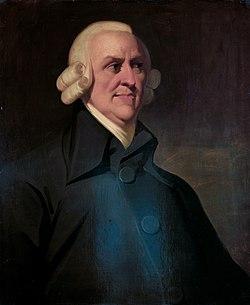
Martin Feldstein
Martin Stuart Feldstein was an American economist. He was the George F. Baker Professor of Economics at Harvard University and the president emeritus of the National Bureau of Economic Research.
Career Journey
Background
- Born in
- New York City
- Educated at
- Harvard UniversityUniversity of OxfordNuffield CollegeSouth Side High School
- Awards
- 🏆 Adam Smith Award🏆 John Bates Clark Medal🏆 Fisher-Schultz Lecture🏆 Irving Kristol Award🏆 Clarivate Citation Laureates
- Doctoral Advisors
- 🎓 W. M. Gorman
- Doctoral Students
- 📖 Lawrence Summers📖 Jeffrey Sachs
Trending & Selected Quotes
Trending topics shown first"A critical feature of the EU in general and EMU in particular is that there is no legitimate way for a member to withdraw... The American experience with the secession of the South may contain some le…"
"Although 50 years of European peace since the end of World War II may augur well for the future, it must be remembered that there were also more than 50 year of peace between the Congress of Vienna an…"
"The legacy of Keynesian economics — the misdiagnosis of unemployment, the fear of saving, and the unjustified faith in government intervention — affected the fundamental ideas of policy makers for a g…"
"What is clear is that a French aspiration for equality and a German expectation of hegemony are not consistent."
"Thanks to the work of John Maynard Keynes and of Milton Friedman, we now have a better understanding of how governments can reduce the severity of major economic downturns. Keynesian economics taught …"
Works & Publications
No works or publications documented yet.
Timeline
1939
Born
Birth2019
Died
Death
Influenced By
Thinkers whose ideas shaped Martin's philosophy
No known influences documented.
Influenced
Thinkers whose work was shaped by Martin's ideas
No influenced thinkers documented yet.
Source Attribution
Information about Martin Feldstein is sourced from curated knowledge bases and cross-referenced for accuracy. Influence relationships are scored by thematic overlap and historical plausibility.