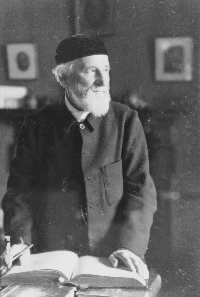
"The latent function of schooling, that is, the hidden curriculum, which forms individuals into needy people who know that they have now satisfied a little bit of their needs for education, is much more important... The idea that people are born with needs, that needs can be translated into rights, that these rights can be translated into entitlements, is a development of the modem world and it's reasonable, it's acceptable, it's obvious only for people who have had some of their educational needs awakened or created, then satisfied, and then learned that they have less than others. Schooling, which we engage in and which supposedly creates equal opportunities, has become the unique, never-before-attempted way of dividing the whole society into classes. Everybody knows at which level of his twelve or sixteen years of schooling he has dropped out, and in addition knows what price tag is attached to the higher schooling he has gotten. It's a history of degrading the majority of people."

React to this quote
More by Ivan Illich
See allResonant Thoughts
"All the efforts of several hundred thousand people, crowded in a small space, to disfigure the land on which they lived; all the stone they covered it with to keep it barren; how so diligently every s…"
Explore Further
Related Quotes
"Those who do not share our values need to know that there will always be a serious price to pay if red line…"
— Jeremy Hunt"Only one word more concerning the desire to teach the world what it ought to be. For such a purpose philoso…"
— Georg Wilhelm Friedrich Hegel"Nobody really thinks that Bush or McCain have a real answer for the challenges we face. So what they are go…"
— Barack Obama"The military should learn a lesson from the incident and correct its mistakes immediately after a review of…"
— Ma Ying-jeou"and and, all dark, all romantic. When I say "romantic," I mean a sensibility that sees everything, and has …"
— Jeff Buckley"Even as bad actors cannot sing alone, but only in chorus: so some cannot walk alone. Man, if thou art aught…"
— Epictetus