"Even of old the Christian world, so bitterly antagonistic to any ideas not specifically contained in their creeds and dogmas, made an exception in Socrates’ case. They recognized his likeness to Christ. He was the example that a soul could be Christlike, not through grace, but by nature. Erasmus said: "Holy Socrates, pray for us." To know him is a help to knowing Christ, and it is not hard to know him. We can see him quite clearly. Plato, who drew his portrait, could not, of course, keep himself out of it, any more than Christ’s recorders could; but at least magic did not dog Plato’s footsteps, as it did everyone’s footsteps when the Gospels were written. In the fourth century B.C. Greeks had no leaning to marvels. Also in the centuries that followed no one founded a church on Socrates and built up around him a theology and hung creeds and ceremonials upon him. To see what he was, we do not have to brush anything away, except a bit of Plato. We can use him as a stepping stone to Christ, a first aid in realizing what Christ was."
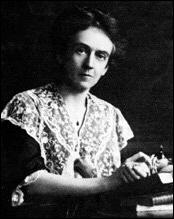
More by Edith Hamilton
See allResonant Thoughts
"I knew that I could never win a referendum in Germany. We would have lost a referendum on the introduction of the Euro. That's quite clear. I would have lost and by seven to three…. If a Chancellor is…"
"Strength of our culture to some extent has compensated the lack of formal education. That is how people could vote wisely in these massive elections. After all, it was the ordinary, illiterate people …"
Explore Further
Related Quotes
"Development means a capacity for self-sustaining growth. It means that an economy must register advances wh…"
— Walter Rodney"Intensive research in recent years into the sources of economic growth among both developing and developed …"
— Alan Greenspan"A lot of people think packing a suitcase is something you learn through practice, like singing or praying."
— Herta Müller"Once a person acknowledges that they possess some form of privilege, they are more likely to accept the rea…"
— Julia Serano"Listen to me: a family man is never a real family man. An assassin is never entirely assassin. They play a …"
— Jean-Paul Sartre"There are approximately 100,000 clerics in Iran and over 60,000 of them are in Qom. Most of them are theolo…"
— Mohsen Kadivar





