"The Sufism that survived and even prospered was tame and promised to subserve prophetism. Some great Sufi poets like Rumi and Attar convey a wrong impression of Islamic Sufism in general; they have been its show-pieces, not its representative figures. Mainstream Sufism has been represented by its silsilas like the Naqshbandiyya, Qadiriyya, Chishtiyya, Dervish, Marabout, Ribat, etc. They had no independent ideology of their own and they only served the spiritual-intellectual categories of prophetic Islam; in fact, they became its most willing spokesmen. They never questioned its dogmas, not even its barbaric ideas about the kafirs, the jihad, the zimmis, the dar al-harb. There is nothing to show that they ever spoke against Islamic wars and oppression. On the other hand, as their history shows they were part and parcel of Islamic Imperialism, its enthusiastic sappers and miners and also its beneficiaries. According to the Encyclopaedia Britannica, the Dervish and Sufis have fought against the unbelievers in time of war. The devotees have accompanied the Shaikh or Murshid or Pir to the threatened frontiers. ... In India, the sufis have been an important limb of Islamic Imperialism and expansion."
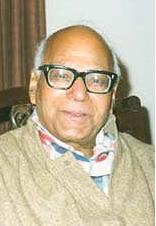
React to this quote
More by Ram Swarup
See allResonant Thoughts
"This country-right-or-wrong business is getting a little out-of-date. Today we are fighting Communism. Okay. If I’d been alive fifty years ago, the brand of Conservatism we have today would have been …"
"The superior man has neither anxiety nor fear. When internal examination discovers nothing wrong, what is there to be anxious about, what is there to fear?"
Explore Further
Related Quotes
"Sometimes a person has to go a very long distance out of his way to come back a short distance correctly."
— Edward Albee"When I gave a lecture in Japan, I was asked not to mention the possible re-collapse of the universe, becaus…"
— Stephen Hawking"Most of the time you can beat a woman in an argument. But what do you win? Nothing. You get short-term plea…"
— Tucker Carlson"oes the real world have any more substance than visions and hallucinations — when we're having them? At any…"
— Roger Ebert"I'm excited , but I guess it hasn't hit me yet. I'm only the second Mariner to do it and the other is Jay B…"
— Alex Rodriguez"A vacation is having nothing to do and all day to do it in."
— Robert Orben





