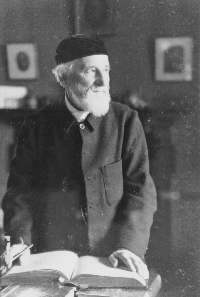
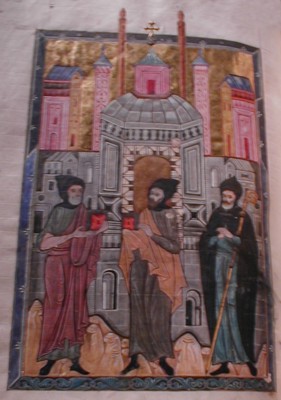
"Belief is the result of the proportion, whatever it he, in which the many elements which go to make the human being are combined. In some the grosser nature preponderates; they believe largely in their stomachs, in the comforts and conveniences of life, and being of such kind, so long as these are not threatened, they gravitate steadily towards the earth. Numerically this is the largest class of believers, with very various denominations indeed; bearing the names of every faith beneath the sky, and composing the conservative elements in them, and therefore commonly persons of much weight in established systems. But they are what I have called them: their hearts are where I said they were, and as such interests are commonly selfish, and self separates instead of unites, they are not generally powerful against any heavy trial. Others of keener susceptibility are yet volatile, with slight power of continuance, and fly from attraction to attraction in the current of novelty. Others of stronger temper gravitate more slowly, but combine more firmly, and only disunite again when the idea or soul of the body into which they form dies out, or they fall under the influence of some very attractive force indeed. It may be doubted, indeed, whether a body which is really organised by a living idea can lose a healthy member except by violence."

React to this quote
More by James Anthony Froude
See allResonant Thoughts
"Everything in nature completes its action through its own force and species alone... as, for example, fire by its own force dries and consumes and does many things. Therefore vision must perform the a…"
Explore Further
Related Quotes
"During the war in Vietnam, we young Buddhists organized ourselves to help victims of the war rebuild villag…"
— Thích Nhất Hạnh"This is one of the mutterings which they are muttering today: "The social well-being of the people, the upw…"
— Bouck White"The best thing is to say good-bye, not without a certain regret on my part. One of these days. I will take …"
— Jean-Henri Fabre"I've seen what men can do for each other and do to each other. I've seen war and peace, feast and famine, d…"
— Ronald Reagan"I am old enough to know only too well my good and bad qualities, which were often one in the same."
— Lisa See"…Even though we talk about race a lot in the literature, there’s still this idea of “Well, if we make this …"
— Nalo Hopkinson