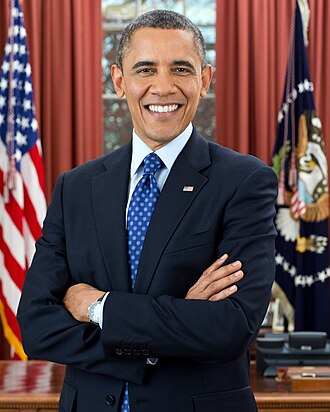
Keith Joseph
Keith Sinjohn Joseph, Baron Joseph,, known as Sir Keith Joseph, 2nd Baronet, for most of his political life, was a British politician. A member of the Conservative Party, he served as a minister under four prime ministers: Harold Macmillan, Alec Douglas-Home, Edward Heath, and Margaret Thatcher. He was a key influence in the creation of what came to be known as Thatcherism.
Trending & Selected Quotes
Trending topics shown first"Low output a man, which is what overmanning comes to, means low pay a man. Overmanning does not protect British jobs except in the short-term. The jobs protected by it are German and Japanese jobs. Ov…"
"Making the rich poorer does not make the poor richer, but it does make the state stronger—and it does increase the power of officials and politicians, power more menacing, more permanent and less usef…"
"The balance of our population, our human stock is threatened. A recent article in Poverty, published by the Child Poverty Action Group, showed that a high and rising proportion of children are being b…"
"We are now more Socialist in many ways than any other developed country outside the Communist bloc—in the size of the public sector, the range of controls and the telescoping of net income. And what i…"
"All my life, I thought I was a Conservative. Now I know that I have never been one. The scales have dropped from my eyes."
"Perhaps there is at work here a process, apparent in many situations but imperfectly understood, by which problems reproduce themselves from generation to generation. If I refer to this as a cycle of …"
Works & Publications
No works or publications documented yet.
Timeline
1918
Born
Birth1994
Died
Death
Influenced By
Thinkers whose ideas shaped Keith's philosophy
No known influences documented.
Influenced
Thinkers whose work was shaped by Keith's ideas
No influenced thinkers documented yet.
Source Attribution
Information about Keith Joseph is sourced from curated knowledge bases and cross-referenced for accuracy. Influence relationships are scored by thematic overlap and historical plausibility.