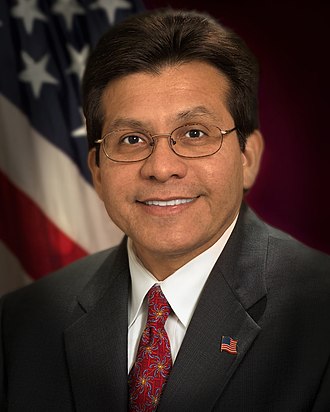
"Of course, the power and authority of courts — whether to improperly take policymaking power for themselves or to engage in legitimate decision making — is dependent upon the weight of their judgment. That is, it depends on their credibility with the public and the other branches of government. Judicial decisions are obeyed, in large part, because the judgment of the federal Judiciary is respected. But it is perhaps underappreciated that when courts apply an activist philosophy that stretches the law to suit policy preferences, they actually reduce the credibility and authority of the Judiciary. In so doing, they undermine the rule of law that strengthens our democracy. In contrast, a judge who humbly understands the role of the courts in our tripartite system of government decides cases based on neutral principles. He generally defers to the judgment of the political branches, and respects precedent – the collective wisdom of those who have gone before. In so doing, that judge strengthens respect for the Judiciary, upholds the rule of law, and permits the people — through their elected representatives — to make choices about the issues of the day."
React to this quote
More by Alberto Gonzales
See allResonant Thoughts
"… It's funny about England," he continued thoughtfully. "Once you're outside London, you seem to meet all kinds of people you never expect to meet, people you can't imagine meeting just from reading a…"
"The word CHURCH had never any charm for me, in the mouths of those who made the most noise about it; for I could not perceive that they gave any other distinguishing proof of their regard for the thin…"
Explore Further
Related Quotes
"In the late 1918 and early 1919, the primary challenge to the establishment of liberal democracy in Germany…"
— Thomas Weber (historian)"I have absolutely no interest in running for president again."
— Hillary Clinton"He's gone around the country stirring up apathy."
— David Lange"Given how many convicts awaiting capital punishment have been cleared because of DNA evidence, I no longer …"
— Jesse Ventura"I used all my playboy skills and courted the Finnish President."
— Silvio Berlusconi"I have consistently said that immigration has been good for this country,"
— Theresa May


