#happiness

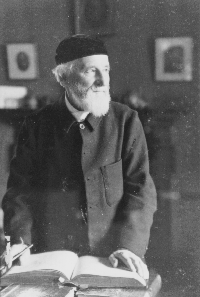
"It should be mentioned that any external supernatural agency plays no part whatever in the moulding of the character of a Buddhist. In Buddhism there is no one to reward or punish. Pain or happiness are the inevitable results of one's actions. The question of incurring the pleasure or displeasure of a God does not enter the mind of a Buddhist. Neither hope of reward nor fear of punishment acts as an incentive to him to do good or to refrain from evil. A Buddhist is aware of future consequences, but he refrains from evil because it retards, does good because it aids progress to Enlightenment . There are also some who do good because it is good, refrain from evil because it is bad."

React to this quote

More by Narada Maha Thera

See all

“The non-aggressive, moral and philosophical system expounded by the Buddha, which demands no blind faith from its adherents, expounds no dogmatic creeds, encourages no superstitious rites and ceremonies, but advocates a golden mean that guides a disciple through pure living and pure thinking to the gain of supreme wisdom and deliverance from all evil, is called the Dhamma and is popularly known as Buddhism.”

“Right Understanding, which is the key-note of Buddhism, is explained as the knowledge of the four Noble Truths. To understand rightly means to understand things as they really are and not as they appear to be. This refers primarily to a correct understanding of oneself, because, as the Rohitassa Sutta states, "Dependent on this one-fathom long body with its consciousness" are all the four Truths. In the practice of the Noble Eightfold Path, Right Understanding stands at the beginning as well as at its end. A minimum degree of Right Understanding is necessary at the very beginning because it gives the right motivations to the other seven factors of the Path and gives to them correct direction. At the culmination of the practice, Right Understanding has matured into perfect Insight Wisdom , leading directly to the Stages of Sainthood.”

“Furthermore, it must be mentioned that there are not petitional or intercessory prayers in Buddhism. However much we may pray to the Buddha we cannot be saved. The Buddha does not grant favors to those who pray to Him. Instead of petitional prayers there is meditation that leads to self-control, purification and enlightenment. Meditation is neither a silent reverie nor keeping the mind blank. It is an active striving. It serves as a tonic both to the heart and the mind. The Buddha not only speaks of the futility of offering prayers but also disparages a slave mentality. A Buddhist should not pray to be saved, but should rely on himself and win his freedom.”

“Right Effort is fourfold, namely:”

“Buddhism cannot, therefore, strictly be called a religion because it is neither a system of faith and worship, nor "the outward act or form by which men indicate their recognition of the existence of a God or gods having power over their own destiny to whom obedience, service, and honor are due.”

“Although a Buddhist seeks refuge in the Buddha, he does not make any self-surrender. Nor does a Buddhist sacrifice his freedom of thought by becoming a follower of the Buddha. He can exercise his own free will and develop his knowledge even to the extent of becoming a Buddha himself.”