"What is it that passes for religion? In some countries magic passes for religion, and that is one thing I wish, in view particularly of the ethnic faiths, could be made very prominent— that religion is not magic. I am very sure that in many countries it is supposed to be so. You do something that will bring you good luck. It is for the interests of the priesthood to cherish that idea. Of course the idea of advantage in this life and in another life is very strong, and rightly very strong in all human breasts. Therefore, it is for the advantage of the priesthoods to make it to be supposed that they have in their possession certain tricks, certain charms, which will give you either some particular prosperity in this world or possibly the privilege of immortal happiness. Now, this is not religion. This is most mischievous irreligion, and I think this Parliament should say, once for all, that the name of God and the names of his saints are not things to conjure with."
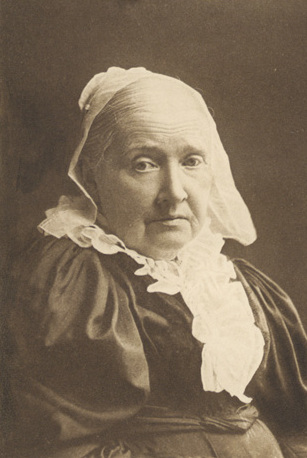
React to this quote
More by Julia Ward Howe
See allResonant Thoughts
"He hoped that Great Britain and France, which had both sacrificed so much, would defend their own interests, and not let their future be decided for them by one who had no claim to speak even for his …"
"If I were to be asked what two of the root principles are which we should always keep in view in trying to decide on a political issue, in judging of legislation, in judging of political action, I thi…"
Explore Further
Related Quotes
"Be diligent with your hands, for godliness does not lead to idleness."
— Ann Lee"Success is terrifying. Like happiness, it is often appreciated in retrospect. It's only later that you plac…"
— Julie Andrews"Disease was produced by devils and could be cured only by priests, decaying bones, and holy water. Doctors …"
— Robert G. Ingersoll"We state with a unified voice that religions through which Almighty God sought to bring happiness to mankin…"
— Abdullah of Saudi Arabia"Busyness is the unrivaled archenemy of spiritual authenticity."
— Bill Hybels"Many times our fellow men are argued and even persuaded into a special turn of mind, and here we often lear…"
— Franz Bardon





