"The sun was almost down on the mountain tops, and the shadows of the whole group fell upon the snow. I saw the Count lying within the box upon the earth, some of which the rude falling from the cart had scattered over him. He was deathly pale, just like a waxen image, and the red eyes glared with the horrible vindictive look which I knew so well. As I looked, the eyes saw the sinking sun, and the look of hate in them turned to triumph. But, on the instant, came the sweep and flash of Jonathan's great knife. I shrieked as I saw it shear through the throat. Whilst at the same moment Mr. Morris's bowie knife plunged into the heart. It was like a miracle, but before our very eyes, and almost in the drawing of a breath, the whole body crumbled into dust and passed from our sight. I shall be glad as long as I live that even in that moment of final dissolution, there was in the face a look of peace, such as I never could have imagined might have rested there."
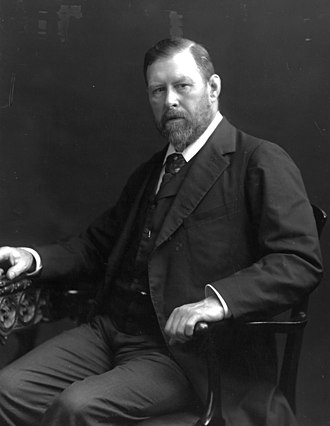
More by Bram Stoker
See allResonant Thoughts
"If I had been by nature extremely quick of apprehension, or had possessed a very accurate and retentive memory or were of a remarkably active and energetic character, the trial would not be conclusive…"
"In the heavens, the Sun and Moon are, by interpreters of dreams, put for the persons of Kings and Queens; but in sacred Prophecy, which regards not single persons, the Sun is put for the whole species…"
Explore Further
Related Quotes
"Oceans of blue embracing the land: A drop at a time, igniting the sand."
— Ike Moriz"Trees don't grow to the sky."
— Louis Rukeyser"They dwell altogether in the face, their endeavors are meer titillations, & their acquaintance with Nature …"
— Thomas Vaughan (philosopher)"There's a major pattern of energy in universe wherein the very large events, earthquakes, and so forth, occ…"
— Buckminster Fuller"Two or three o'clock in the morning. The sky is blue. Dawn is breaking. Down there, a little way off, they …"
— Marc Chagall"Other powers will continue to enjoy an equal right to trade in and develop the natural resources of the occ…"
— Kōki Hirota