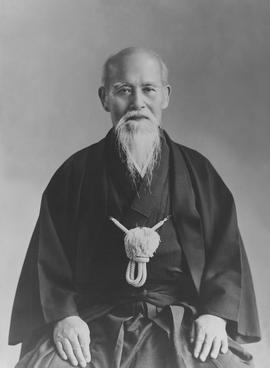
"Not long ago only a few artistic periods were thought suitable for museums. Then they were joined by exhibitions of Coptic and early Christian art, Greek terracotta's and vases, Persian and Islamic art. But why is Indian, Chinese and Javanese art still classified under ethnology or anthropology? And why is the art of primitive peoples not considered art at all?"

More by Emil Nolde
See allResonant Thoughts
"The United States participated actively and effectively in the negotiation of Convention. It marks a significant step in the development during this century of international measures against torture a…"
Explore Further
Related Quotes
"To my delight, Federico had seen Dans la ville blanche by Swiss director Alain Tanner. Enthusiastic about B…"
— Damian Pettigrew"Poetry is properly speaking a transcendental quality, a sudden transformation in which words assume a parti…"
— Herbert Read"The centrally planned economies, dissatisfied with the outcome of their own efforts to achieve good economi…"
— Lawrence Klein"Arrival in the world is really a departure and that, which we call departure, is only a return."
— Dejan Stojanovic"David Cameron's Guardian columns as Conservative Party diarist"
— David Cameron"The -- the constant partisan rancor that stops us from solving these problems isn't a cause. It's a symptom…"
— John McCain