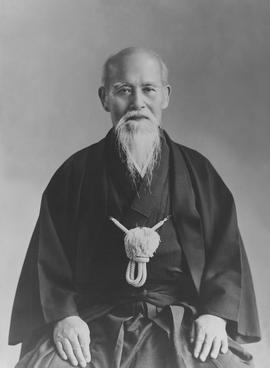
"I had my own eyes, but I wasn't always looking in the right direction. I was certainly in need of a helping hand at times. Now I feel like Manet who said, "Yes, I am influenced by everybody. But every time I put my hands in my pockets I find someone else's fingers there."

React to this quote
More by Willem de Kooning
See allResonant Thoughts
"I read the other day some verses written by an eminent painter which were original and not conventional. The soul always hears an admonition in such lines, let the subject be what it may. The sentimen…"
Explore Further
Related Quotes
"I'd have played against him for the next 14 years. I would have been in my prime and he would have been in …"
— Charles Barkley"You look at where you're going and where you are and it never makes sense, but then you look back at where …"
— Robert M. Pirsig"The prairies were dust. Day after day, summer after summer, the scorching winds blew the dust and the sun w…"
— Rose Wilder Lane"Note to self: Pasty-skinned programmers ought not stand in the Mojave desert for multiple hours."
— John D. Carmack"All great events hang by a hair. The man of ability takes advantage of everything and neglects nothing that…"
— Napoleon I of France"Oftentimes, when people are miserable, they will want to make other people miserable, too. But it never hel…"
— Daniel Handler