"So we can all appreciate our own identities, our bloodlines, our beliefs, our backgrounds -- that tapestry is what makes us who we are. But the history of Africa -- which is both the cradle of human progress and a crucible of conflict -- shows us that when define ourselves narrowly, in opposition to somebody just because they’re of a different tribe, or race, or religion -- and we ignore who is a good person or a bad person, are they working hard or not, are they honest or not, are they peaceful or violent -- when we start making distinctions solely based on status and not what people do, then we're taking the wrong path and we inevitably suffer in the end. This is why Martin Luther King called on people to be judged not by the color of their skin but the content of their character. And in the same way, people should not be judged by their last name, or their religious faith, but by their content of their character and how they behave. Are they good citizens? Are they good people?"
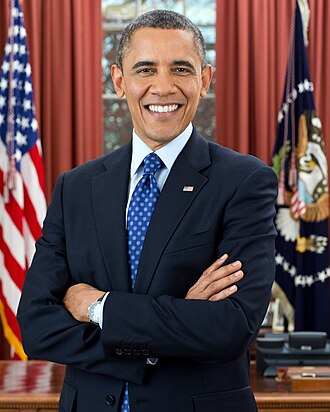
React to this quote
More by Barack Obama
See allResonant Thoughts
"But if men either knew themselves thoroughly, or had the slightest knowledge of God, they would never claim as their own a divine and immortal nature; nor would they think themselves something great b…"
Explore Further
Related Quotes
"We are in an emergency situation in the Anthropocene epoch in which the disruption of the Earth system, par…"
— John Bellamy Foster"No society can surely be flourishing and happy, of which the greater part of the members are poor and miser…"
— Adam Smith"“There is always war,” said Dakkar, coldly. “There will always be war, whilst empires oppress and distort h…"
— Adam Roberts"are probably restricted, in some sense, to a certain maximum. … If you want to reach more people than that,…"
— Steve Ballmer"Money was the crux. Raising money to pay the cost of war was to cause more damage to 14th century society t…"
— Barbara Tuchman"We are stronger, safer and better-off in a reformed EU. Survey after survey shows that small businesses - t…"
— Sajid Javid
Related Thinkers




Related Topics
Deep Dives
- Adolf Hitler on Human Nature
- George W. Bush on Human Nature
- Abraham Lincoln on Human Nature
- Jair Bolsonaro on Human Nature
- Donald Trump on Human Nature
- Hillary Clinton on Human Nature
- Henry Adams on Human Nature
- Benjamin Franklin on Human Nature
- Adolf Hitler on time
- Adolf Hitler on life
- knowledge & Beauty
- knowledge & Change