#family
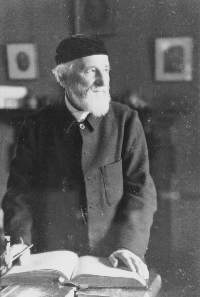
"The words of God are justified, as I will show, by the fact that Job abandoned his first very erroneous opinion, and himself proved that it was an error. It is the opinion which suggests itself as plausible at first thought, especially in the minds of those who meet with mishap, well knowing that they have not merited them through sins. This is admitted by all, and therefore this opinion was assigned to Job. But he is represented to hold this view only so long as he was without wisdom, and knew God only by tradition, in the same manner as religious people generally know Him. As soon as he had acquired a true knowledge of God, he confessed that there is undoubtedly true felicity in the knowledge of God; it is attained by all who acquire that knowledge, and no earthly trouble can disturb it. So long as Job's knowledge of God was based on tradition and communication, and not on research, he believed that such imaginary good as is possessed in health, riches, and children, was the utmost that men can attain; this was the reason why he was in perplexity, and why he uttered the... opinions, and this is also the meaning of his words: "I have heard of thee by the hearing of the ear; but now mine eye seeth thee. Wherefore I abhor myself, and repent because of dust and ashes" ; that is to say, he abhorred all that he had desired before, and that he was sorry that he had been in dust and ashes; comp. "and he sat down among the ashes" On account of this last utterance, which implies true perception, it is said afterwards in reference to him, "for you have not spoken of me the thing that is right, as my servant Job hath."

React to this quote
More by Maimonides
See allResonant Thoughts
Explore Further
Related Quotes
"Working from home requires self-starting. And children raised with poor boundary enforcement rarely master …"
— Warren Farrell"When I was younger and started acting, I wasn't good at sports and didn't have any other special talents. A…"
— Sara Paxton"I have five children. There were four men, on the fifth I got weak and a woman came out."
— Jair Bolsonaro"King of the animals — as thou hast described him — I should rather say king of the beasts, thou being the g…"
— Leonardo da Vinci"Richard the Lion Hearted, who became king of England in 1189, had inherited Aquitaine from his mother Elean…"
— Marilyn Stokstad"Looting a conquered enemy enriches a few, impoverishes the nation and dishonors the entire army. Wars must …"
— Tipu Sultan