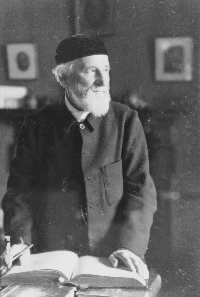
Justin_Martyr
Justin Martyr, also known as Justin the Philosopher, was an early Christian apologist and philosopher. The First Apology, his most well-known text, passionately defends the morality of the Christian life and provides various arguments to convince the Roman emperor Antoninus Pius to abandon persecution of the Church. Justin also indicates that historical manifestations of the Logos predated Christ's incarnation, and that many historical Greek philosophers were unknowing Christians.
Trending & Selected Quotes
Trending topics shown first"For there is not one single race of men, whether barbarians, or Greeks, or whatever they may be called, nomads, or vagrants, or herdsmen living in tents, among whom prayers and giving of thanks are no…"
Works & Publications
No works or publications documented yet.
Timeline
100
Born
Birth165
Died
Death
Influenced By
Thinkers whose ideas shaped Justin_Martyr's philosophy
No known influences documented.
Influenced
Thinkers whose work was shaped by Justin_Martyr's ideas
No influenced thinkers documented yet.
Source Attribution
Information about Justin_Martyr is sourced from curated knowledge bases and cross-referenced for accuracy. Influence relationships are scored by thematic overlap and historical plausibility.
Related Thinkers
See all →


Explore Further
Related Quotes
"Man’s mind is very fast, faster than the wind. By doing work while repeating God’s Name, your mind becomes …"
— Haidakhan Babaji"The healing of a nation is a slow process that requires patience. It begins with truth telling, the confess…"
— Petero Mataca"A theological system is supposed to satisfy two basic needs: the statement of the truth of the Christian me…"
— Paul Tillich"Reason has, especially today, many other manifestations than philosophical ones."
— Gustavo Gutiérrez"The three theological virtues of faith, hope and charity , aided by the highest and most sublime gifts of t…"
— Francisco Palau"Tolerance, openness and understanding towards other peoples' cultures, social structures, values and faiths…"
— Aga Khan IV