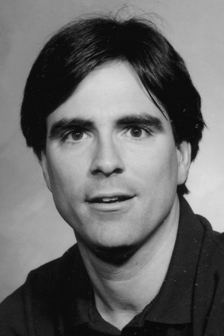
Nisargadatta Maharaj
Indian spiritual teacher and guru in the Advaita Vedanta tradition, renowned for his terse, direct teachings compiled in the book "I Am That." He taught nondual self-inquiry and attracted Western and Indian seekers during the mid-20th century.
Background
- Born in
- Mumbai
Trending & Selected Quotes
Trending topics shown first"Wisdom is knowing I am nothing,Love is knowing I am everything,and between the two my life moves."
"You will receive everything you need when you stop asking for what you do not need"
"I shall tell you how my Guru’s Guru died. After announcing that his end was nearing, he stopped eating, without changing the routine of his daily life. On the eleventh day, at prayer time he was singi…"
"as long as you cling to the idea that only what has name and shape exists, the Supreme will appear to you non-existing. When you understand that names and shapes are hollow shells without any content …"
"Bodies are born and bodies die, but what is it to me? Bodies come and bodies go in consciousness and consciousness itself has its roots in me. I am life and mine are mind and body."
Works & Publications
No works or publications documented yet.
Timeline
1897
Born
Birth1981
Died
Death
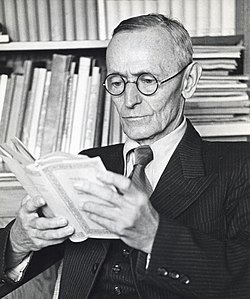
Influenced By
Thinkers whose ideas shaped Nisargadatta's philosophy
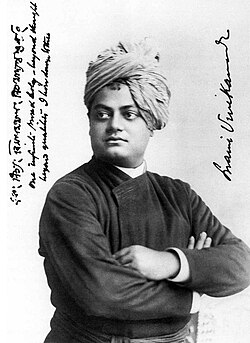


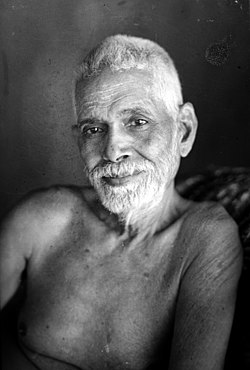


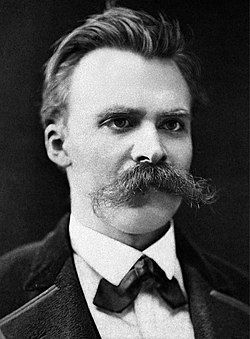




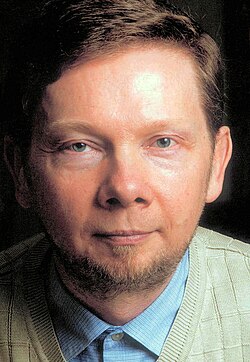
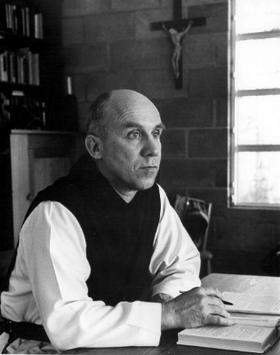
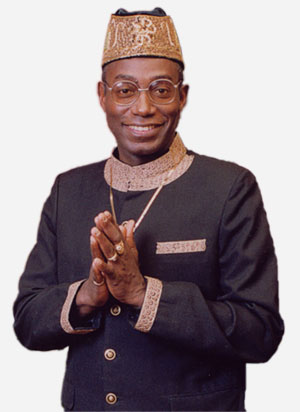
Influenced
Thinkers whose work was shaped by Nisargadatta's ideas





Source Attribution
Information about Nisargadatta Maharaj is sourced from curated knowledge bases and cross-referenced for accuracy. Influence relationships are scored by thematic overlap and historical plausibility.
Related Thinkers
See all →

Explore Further
Related Quotes
"Why It's So Hard to Talk to White People About Racism, article written by DiAngelo for"
— Robin DiAngelo"There is no thinking except as aftermath or preparation of communication."
— Randall Collins"I would think a faith in God is one thing. I think that if we could change the whole world and keep the lan…"
— Ernest J. Gaines"Style remains a principal concern of the histories of British architecture from the sixteenth century to th…"
— Dana Arnold"In a democracy, all voters are equal but not all are responsible. Compulsory voting ignores that elemental …"
— Geoffrey Blainey"Book Review To End a Presidency" by Michael Stokes Paulsen, Harvard Law Review."
— Laurence Tribe